Get Shallow Well Drilling in Bucks County, PA
Shallow well drilling services help Bucks County property owners access reliable water sources for homes, farms, or irrigation projects by connecting them with experienced local contractors.
Shallow well drilling is a practical solution for property owners in Bucks County, PA seeking reliable access to groundwater. Whether establishing a new water source for a residential property or upgrading an existing system, understanding the available options and planning ahead can help ensure a smooth project. Local contractors specializing in shallow well services can provide valuable insights into site-specific considerations, helping property owners make informed decisions about their water supply needs.
Exploring different local service providers allows property owners to compare expertise and experience in shallow well drilling within Bucks County and surrounding areas. By connecting with qualified professionals, homeowners can gather the information needed to plan their projects effectively and select the right partner for their specific requirements. Continuing to read can help clarify the benefits of working with local contractors who understand the region’s geological conditions and water access challenges.
- Shallow Well Installation - needed when homes in Bucks County, PA require a reliable water source close to the surface.
- Well Pump Replacement - necessary if a property's existing shallow well pump is malfunctioning or no longer provides adequate flow.
- Well Maintenance and Inspection - important for homeowners in neighborhoods like Newtown or Levittown to ensure water quality and system longevity.
- Well Repair Services - required when issues such as leaks or pump failures affect water supply in residential or small commercial properties.
- Well Abandonment and Capping - performed when a property no longer uses a shallow well and needs proper sealing for safety and compliance.
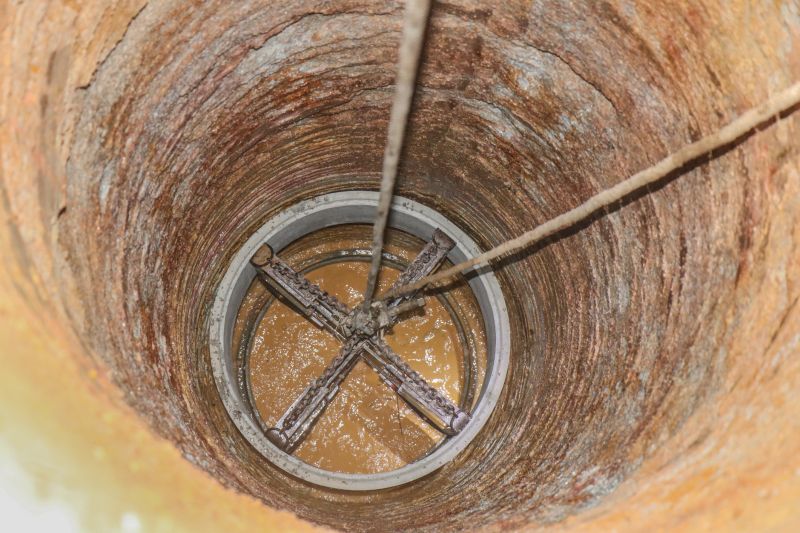
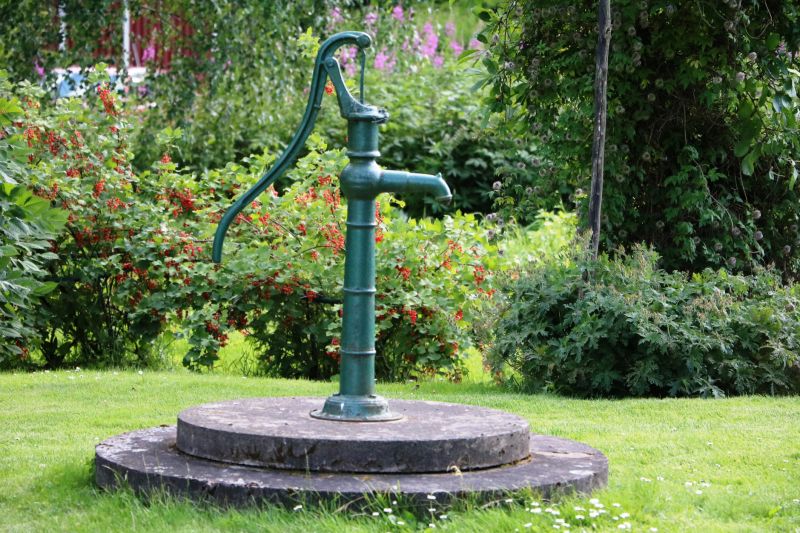
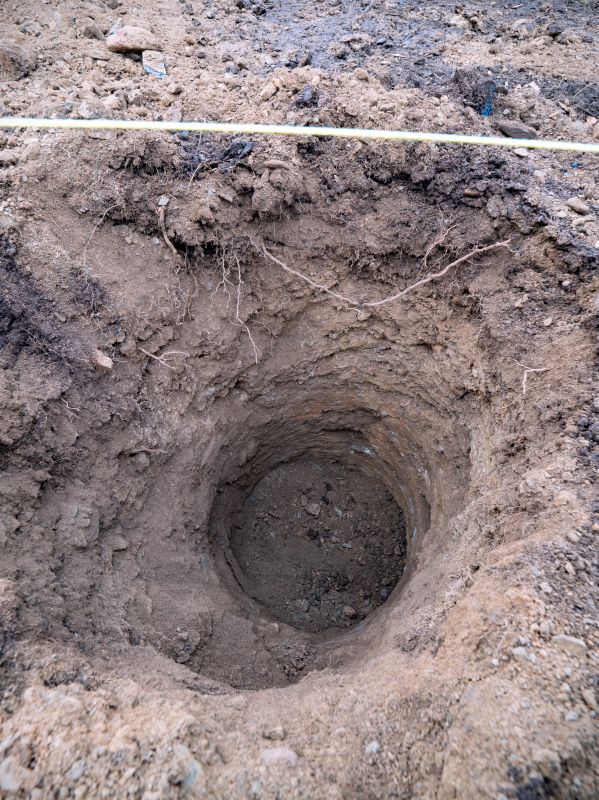
Shallow well drilling services involve creating a water source close to the surface of a property, typically within 25 to 50 feet. This process includes using specialized equipment to drill a narrow, accessible well that taps into underground aquifers. The goal is to provide a reliable supply of clean water for residential use, especially in areas where municipal water service is unavailable or limited. Homeowners interested in a shallow well often seek this service to establish an independent water source, reduce reliance on external providers, or improve water quality for their household needs.
This type of well drilling can help resolve common water supply problems such as inconsistent pressure, low flow rates, or contaminated water sources. In some cases, properties with poor or no access to municipal water lines benefit from a shallow well to meet daily needs like drinking, cooking, gardening, or outdoor irrigation. It can also serve as a backup water source during municipal outages or infrastructure issues. Local contractors can assess the site conditions and determine if a shallow well is suitable to address specific water access challenges.
Properties that typically utilize shallow well drilling services include rural homes, farms, and properties with large outdoor spaces or gardens. These properties often lack direct access to municipal water systems and rely on private water sources for everyday use. Additionally, some residential developments or older homes may opt for shallow wells to supplement existing water supplies or improve water quality, especially if local water sources are known to have mineral content or other impurities. A qualified service provider can evaluate the property’s needs and recommend the most suitable well drilling options.
For homeowners considering a shallow well, understanding the scope of the service and the potential benefits is essential. Local service providers can handle the entire process, from site assessment and drilling to well casing and initial testing. This ensures the well is properly installed and ready to supply water efficiently. Contacting experienced contractors can help determine if a shallow well is the right solution for specific property needs, providing an independent water source that enhances convenience and water quality.
The overview below groups typical Shallow Well Drilling projects into broad ranges so you can see how smaller, mid-sized, and larger jobs often compare in Bucks County, PA.
In many markets, a large share of routine jobs stays in the lower and middle ranges, while only a smaller percentage of projects moves into the highest bands when the work is more complex or site conditions are harder than average.
Basic Well Drilling - For small, straightforward shallow well installations, local contractors often charge between $1,000 and $3,000. Many routine jobs fall within this range, but costs can vary based on depth and site conditions.
Repair and Maintenance - Minor repairs or routine maintenance typically cost between $250 and $600. These projects are common and usually fall into the lower to mid-range pricing, depending on the extent of the work needed.
Full Well Replacement - Replacing an existing shallow well with a new one can range from $3,000 to $7,000 or more. Larger, more complex projects tend to push costs into the higher end, though many replacements stay within the middle range.
Advanced or Custom Projects - Custom or high-capacity shallow wells for larger properties may reach $7,000 to $15,000+. These projects are less frequent and often involve additional site work or specialized equipment, leading to higher costs.
Actual totals will depend on details like access to the work area, the scope of the project, and the materials selected, so use these as general starting points rather than exact figures.
Geothermal Well Installation - involves drilling and installing wells for geothermal heating systems, utilizing similar drilling techniques and site planning as shallow well projects.
Irrigation Well Drilling - requires expertise in well placement and water extraction, often using comparable tools and methods as shallow well services for agricultural or landscape needs.
Cistern and Water Storage Tank Installation - involves excavating and preparing sites for water storage, which shares planning and excavation skills with shallow well drilling.
Hydrogeological Testing - includes assessing groundwater sources and flow, requiring knowledge of aquifer properties similar to those needed for shallow well development.
Pump Installation and Maintenance - involves setting up and servicing water pumps for wells, which relies on understanding well construction and water flow dynamics.
Water Line Excavation and Repair - entails digging and installing underground water lines, utilizing equipment and planning strategies similar to those used in shallow well projects.
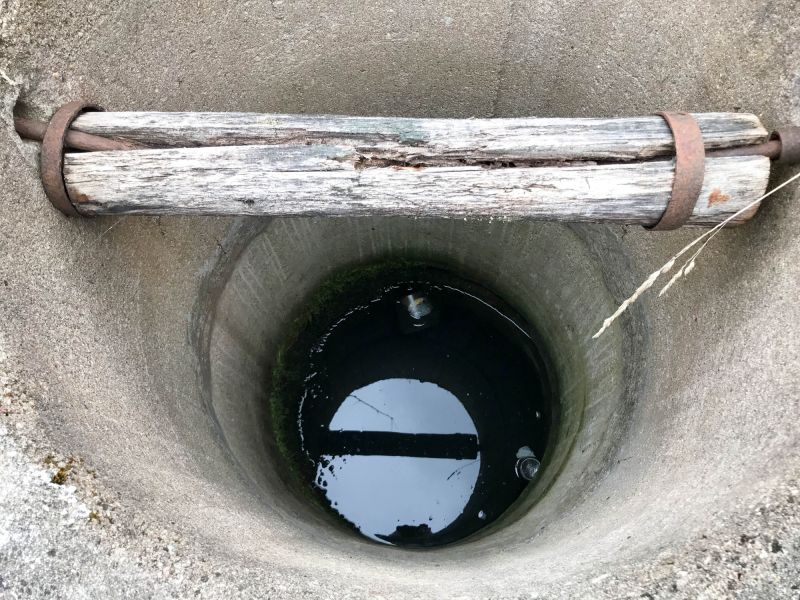
When comparing service providers for shallow well drilling, it’s important to consider their experience with similar projects in the area. Homeowners should look for local contractors who have a proven track record of successfully completing well installations in Bucks County or nearby communities. An experienced provider will be familiar with local soil conditions, water table levels, and any regional challenges that could impact the drilling process. Asking about previous projects similar in scope can help gauge whether a contractor has the necessary background to handle the specific requirements of the job.
Clear, written expectations are essential when evaluating potential well drilling services. Homeowners should seek detailed information about the scope of work, materials used, and any guarantees or warranties offered. Having these details in writing helps prevent misunderstandings and provides a reference point throughout the project. Service providers who can clearly communicate the process and what is included in their services demonstrate professionalism and transparency, making it easier for homeowners to compare options effectively.
Reputable references and strong communication are key indicators of a reliable local contractor. Homeowners are encouraged to ask for references from previous clients who had similar work done. Speaking with past customers can provide insights into the contractor’s reliability, quality of work, and responsiveness. Additionally, good communication-such as prompt responses to questions and willingness to discuss project details-can make the entire process smoother. While this site connects homeowners with local pros capable of handling shallow well drilling, it does not perform the work itself, emphasizing the importance of thorough research and careful comparison when choosing a service provider.
Property owners in Bucks County, PA use Shallow Well Drilling services for practical projects around their homes and businesses. This guide focuses on everyday jobs and straightforward project options.
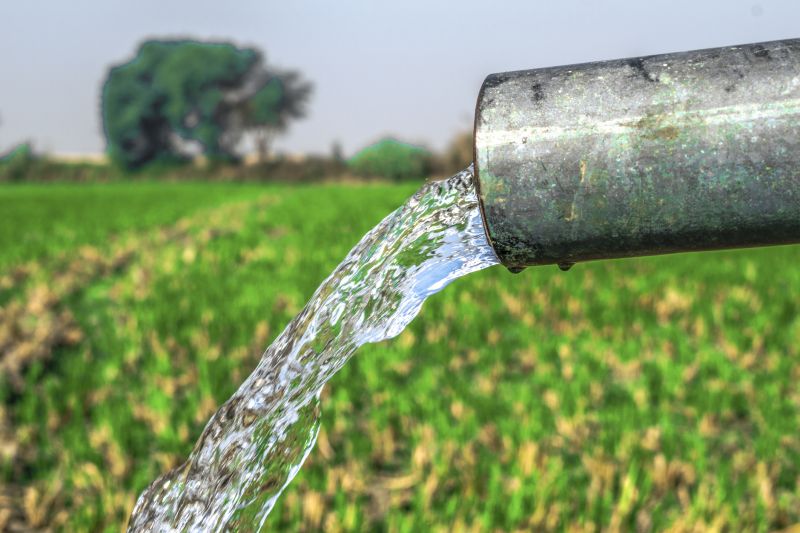
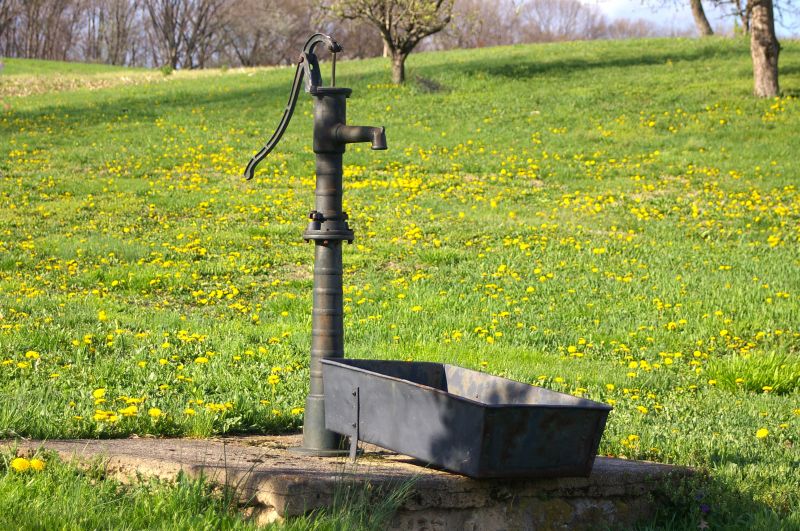
Shallow well drilling services are often needed by property owners in Bucks County, PA, who are looking to establish a reliable water source for their homes or farms. Common situations include replacing an aging well that no longer provides sufficient water, or installing a new well on a property that lacks access to municipal water lines. Local contractors can handle these projects efficiently, helping homeowners ensure they have a steady supply of clean water for daily use, gardening, or livestock needs.
Property owners might also seek shallow well drilling when expanding their property or upgrading existing water systems. Whether installing a well for a new addition or improving water flow on a rural property, local service providers can assist with the necessary drilling and setup. These professionals are familiar with the specific requirements of Bucks County properties, making it easier for residents to get the water access they need without extensive hassle.
What is shallow well drilling? Shallow well drilling involves creating a water well that typically reaches depths of less than 50 feet to access underground water sources for residential or small-scale use.
How do local contractors determine if a shallow well is suitable? Contractors assess factors like water table levels, soil conditions, and property location to determine if a shallow well can provide reliable water access.
What equipment is used for shallow well drilling? Specialized drilling rigs and hand tools are used to bore into the ground and install the well casing, ensuring proper access to groundwater.
Are there specific permits required for shallow well installation? Permit requirements vary by location; local service providers can help determine if permits are needed before drilling begins.
What maintenance is needed for a shallow well? Regular inspections, cleaning, and testing are recommended to ensure the well functions properly and water quality remains safe.
Water Supply for Rural Properties - Shallow well drilling can provide a reliable water source for homes situated away from municipal systems.
Garden and Lawn Irrigation - Installing a shallow well allows property owners to water gardens and lawns efficiently without relying on external sources.
Emergency Water Access - Having a shallow well can serve as a backup water supply during outages or municipal disruptions.
Small-Scale Livestock Needs - Shallow well services can support watering livestock on farms or rural properties in Bucks County and nearby areas.
If you are thinking about Shallow Well Drilling for a property in Bucks County, PA, this guide is meant to help you understand the work, the typical project types, and how different options might fit your plans.
When you are ready, you can use the quote form on this page to share a few details about your project. From there, local pros can review the basics and respond with options that match what you have in mind.